
Stehos Acero Chitila
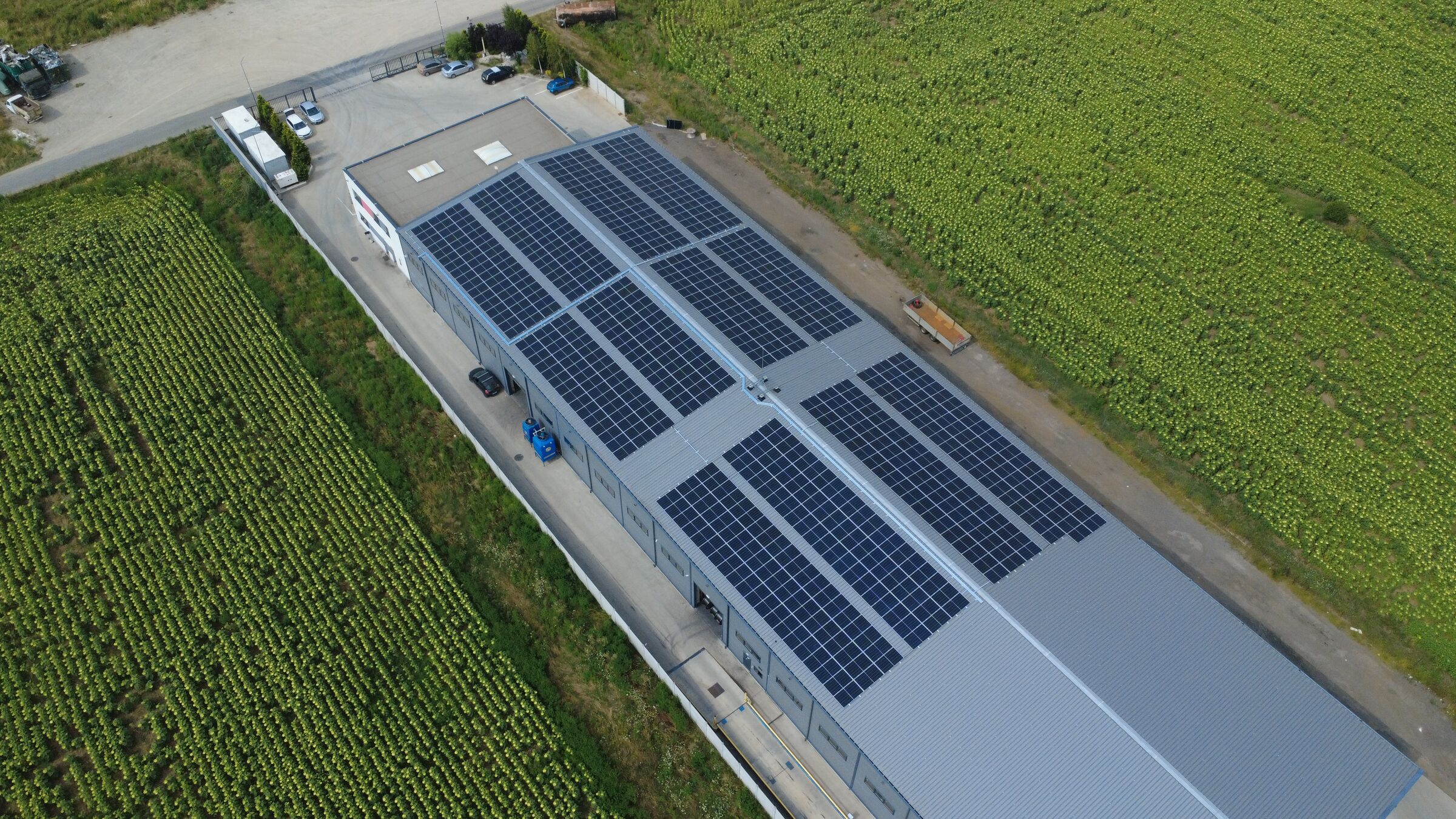
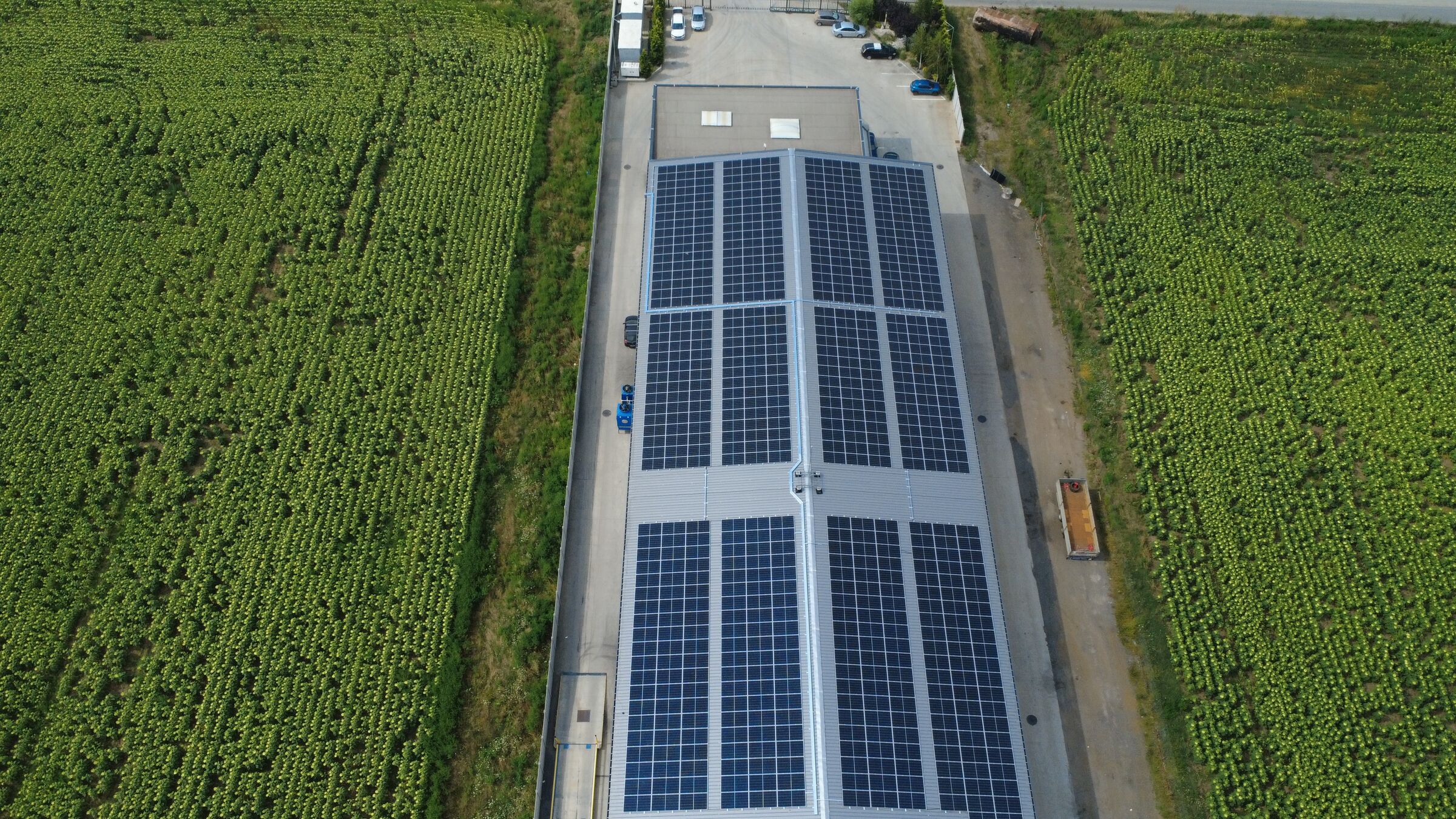
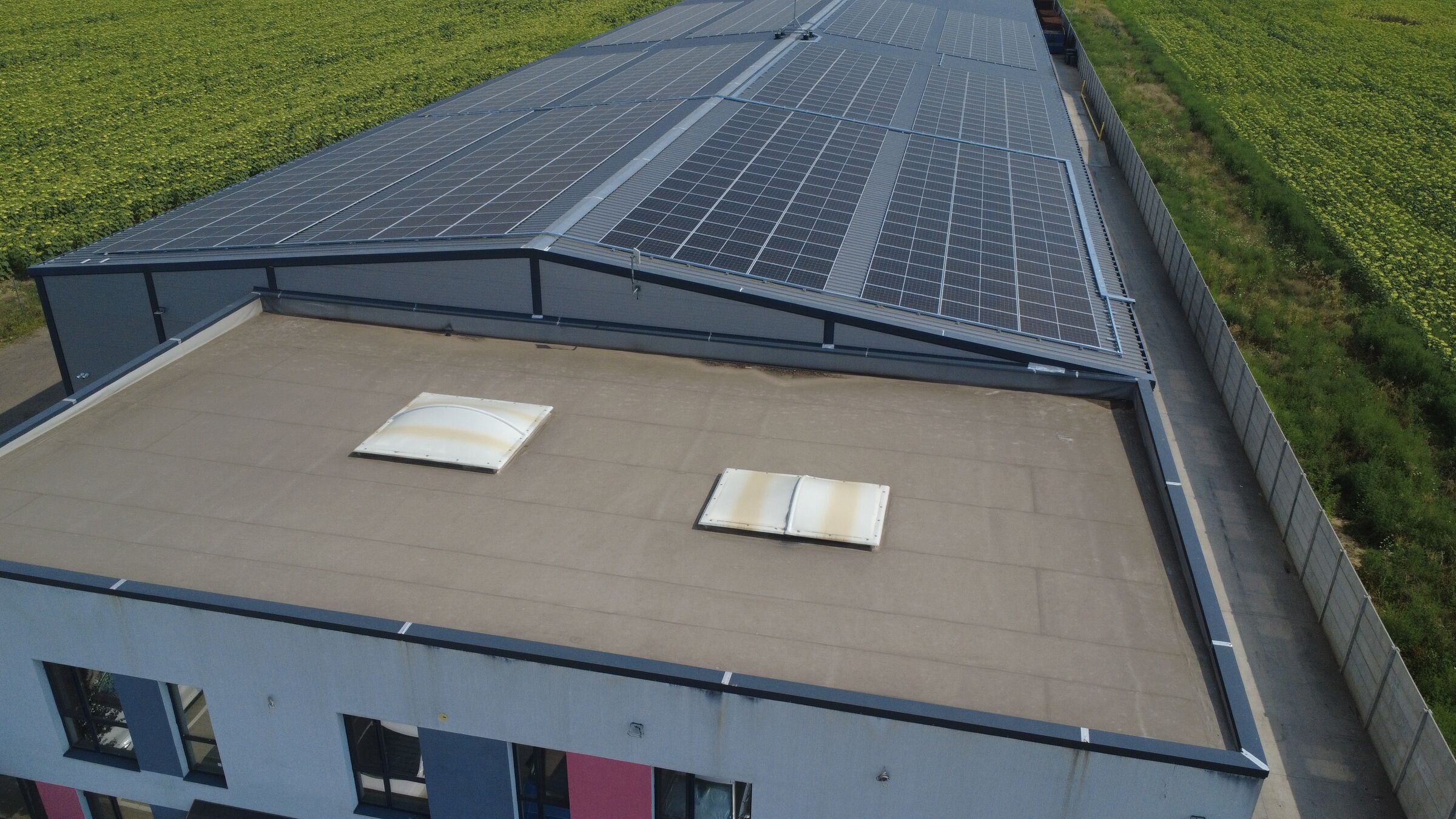
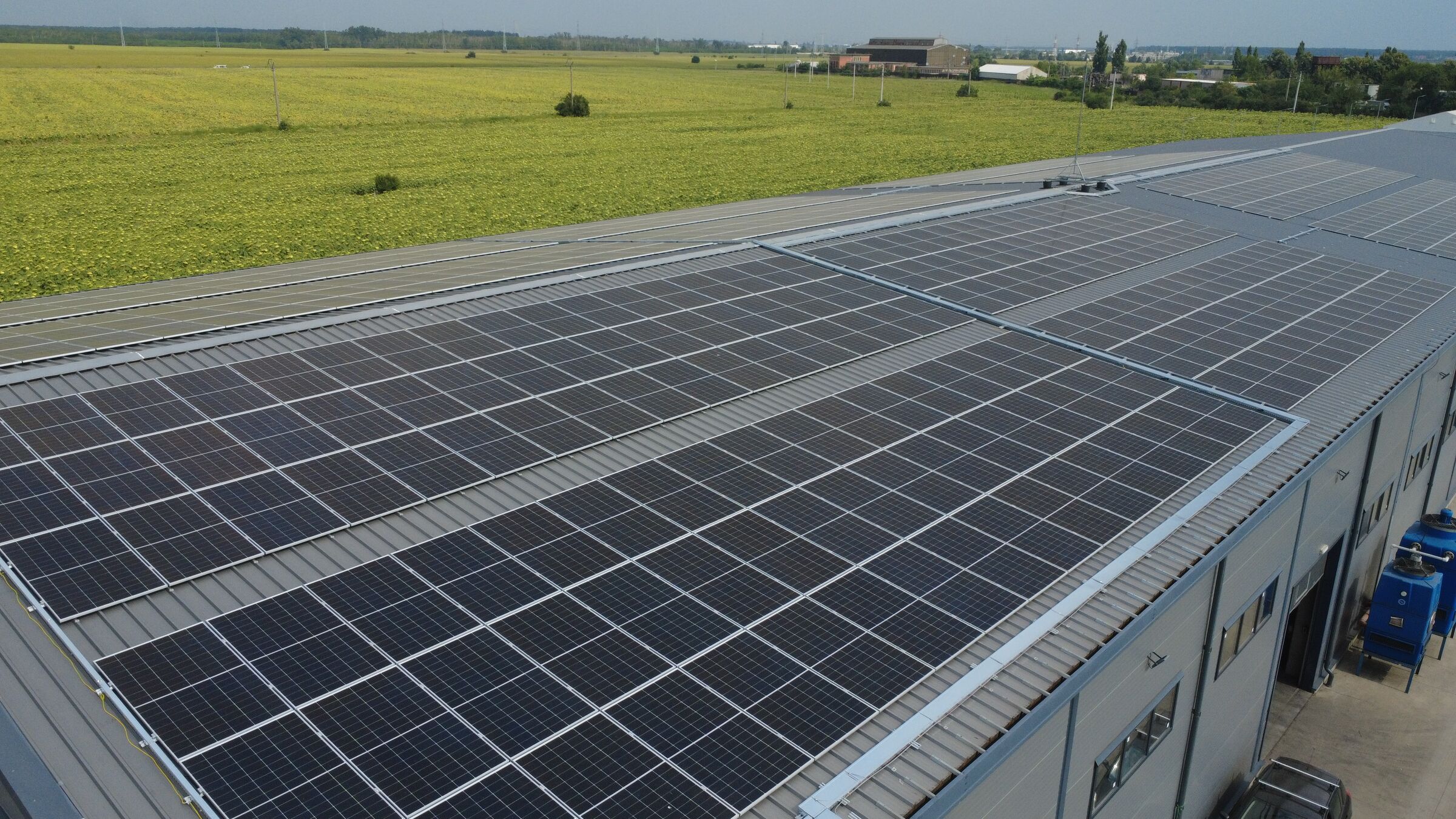
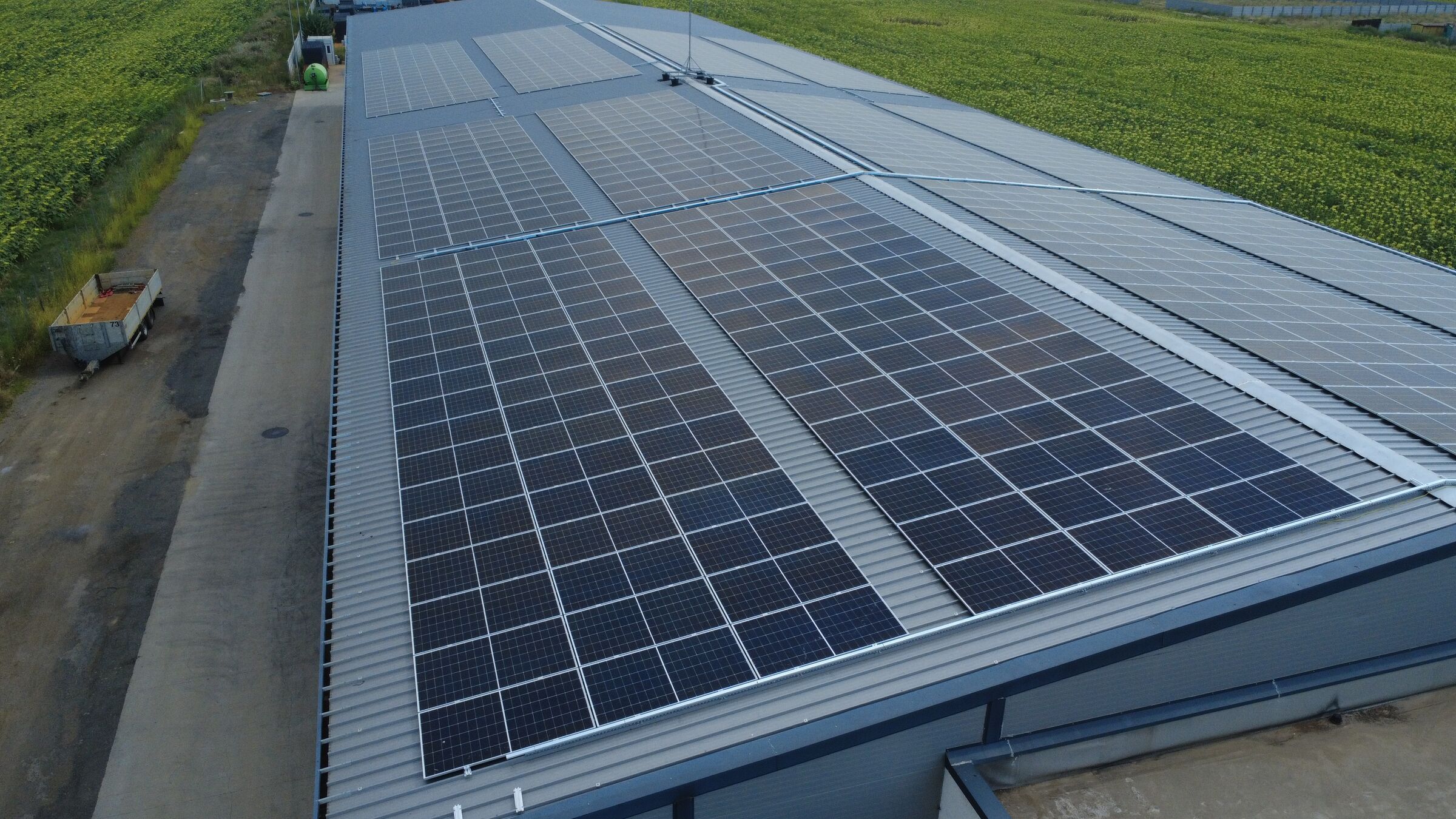
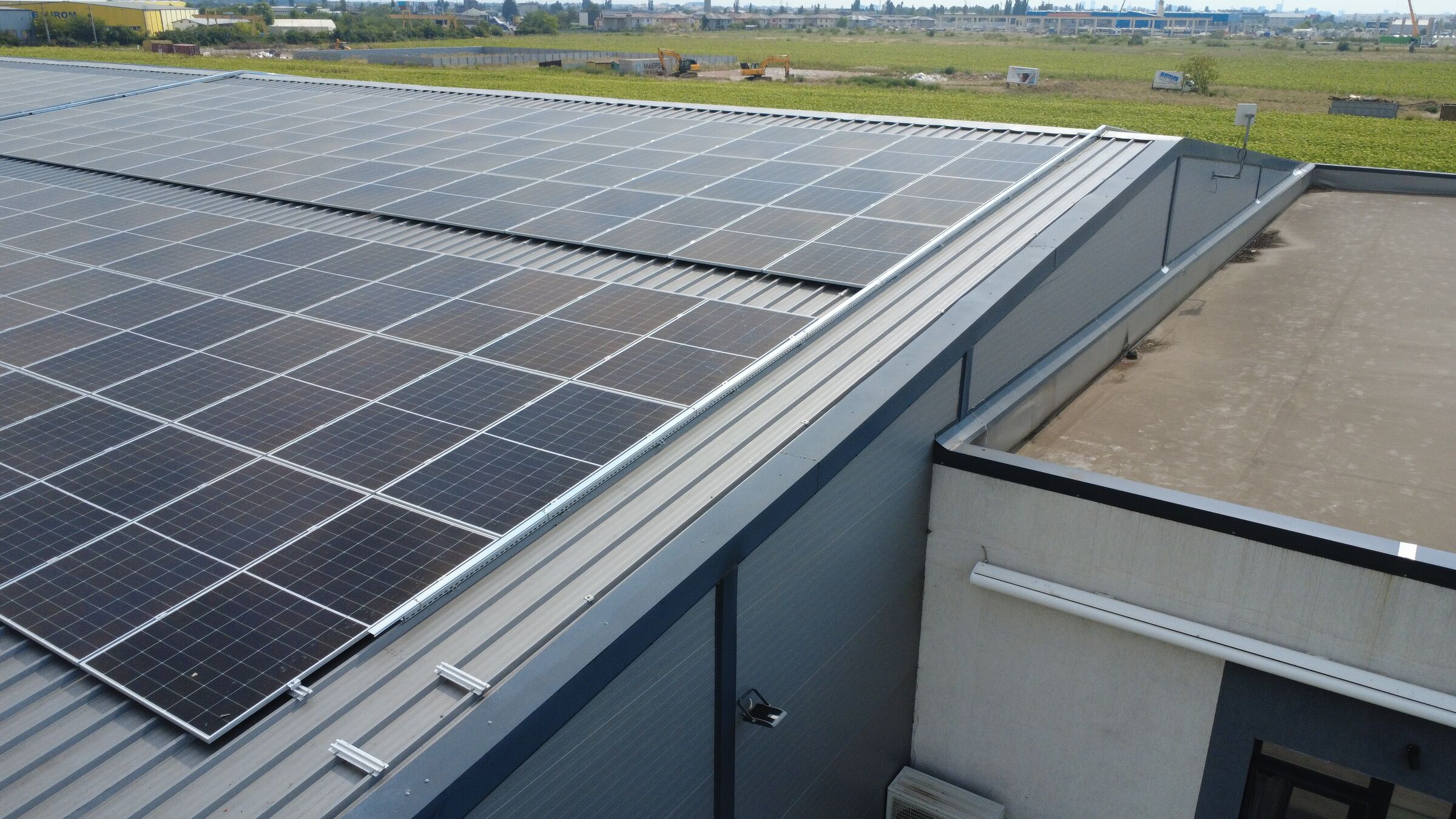
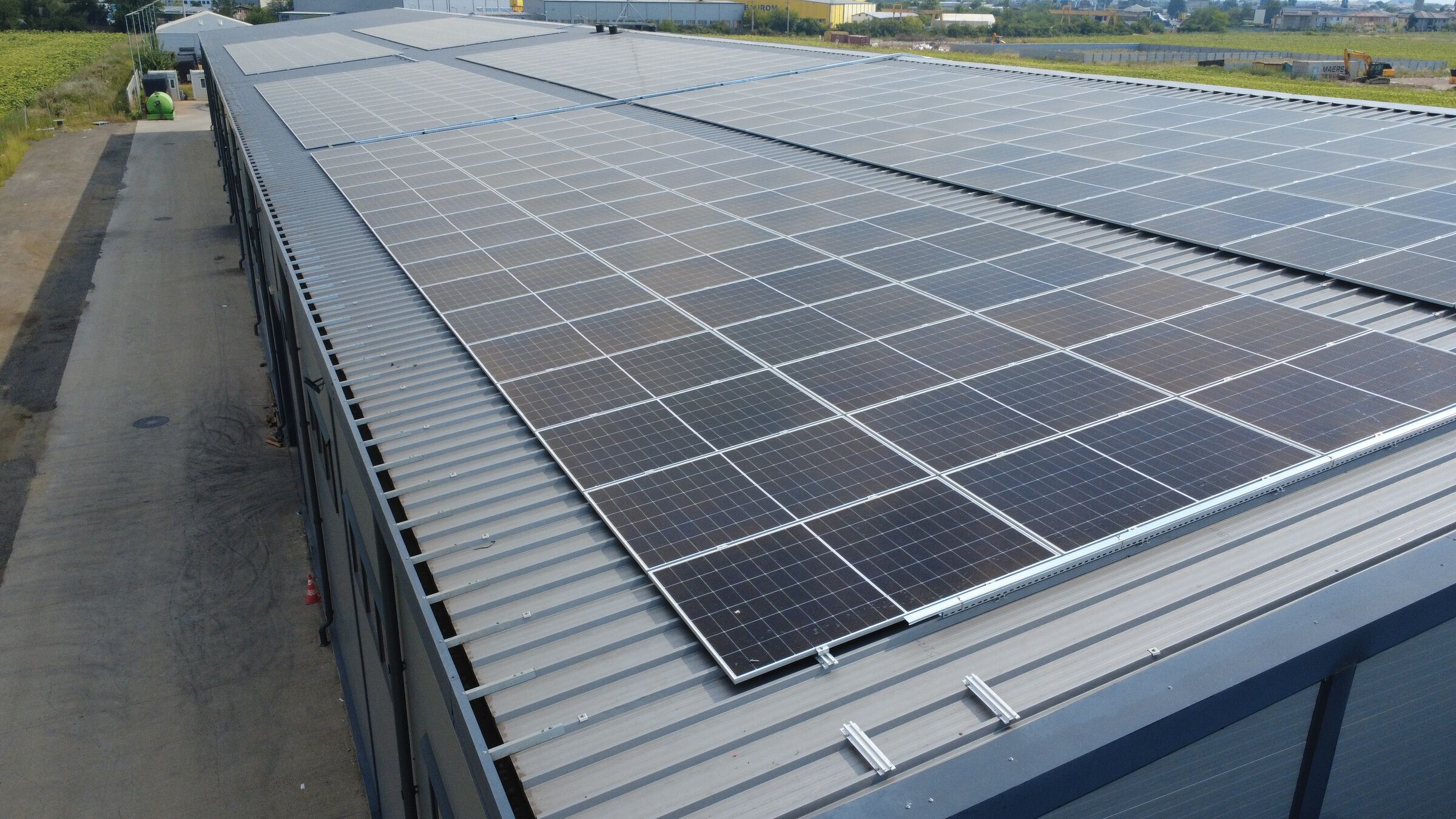
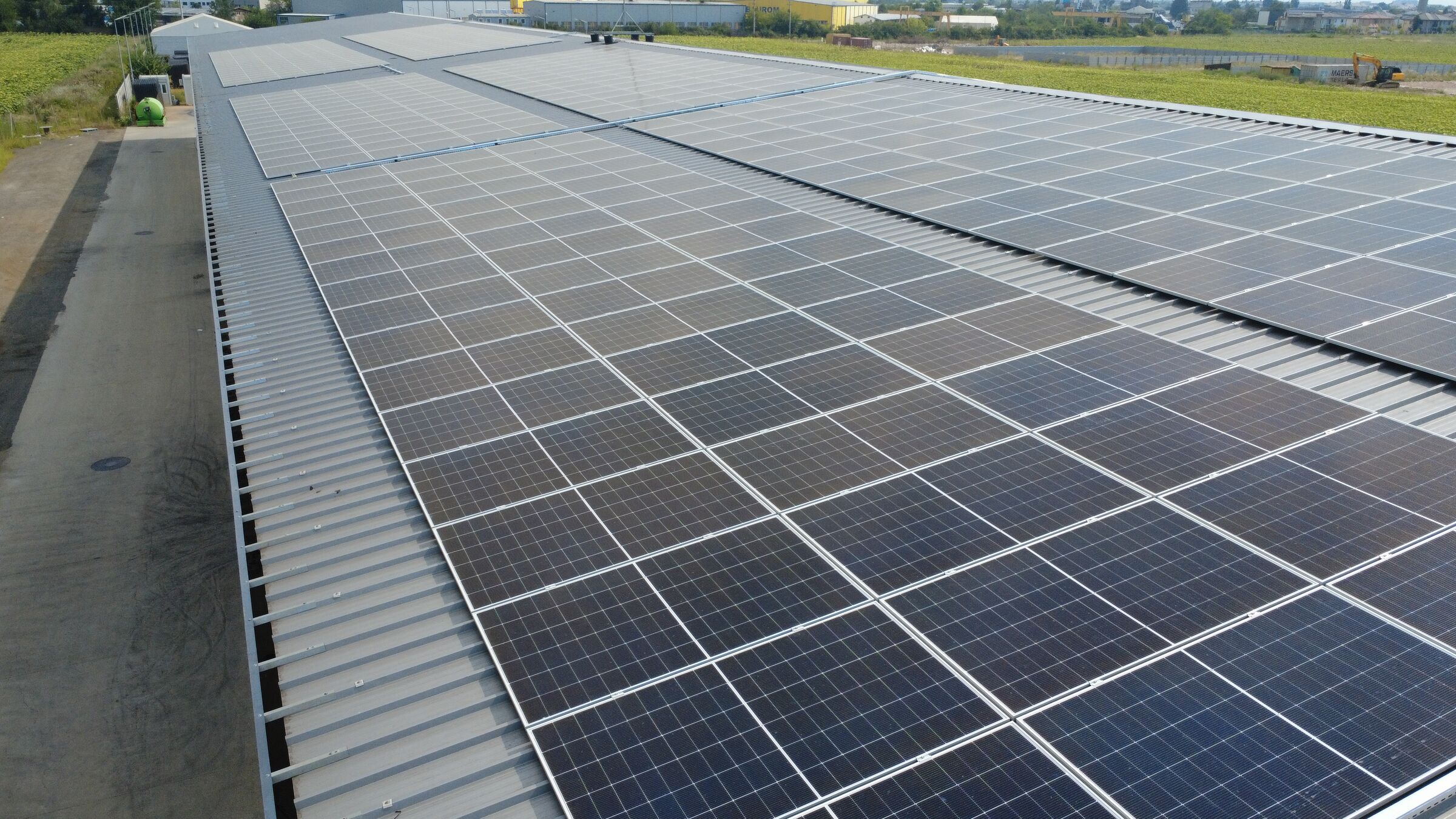
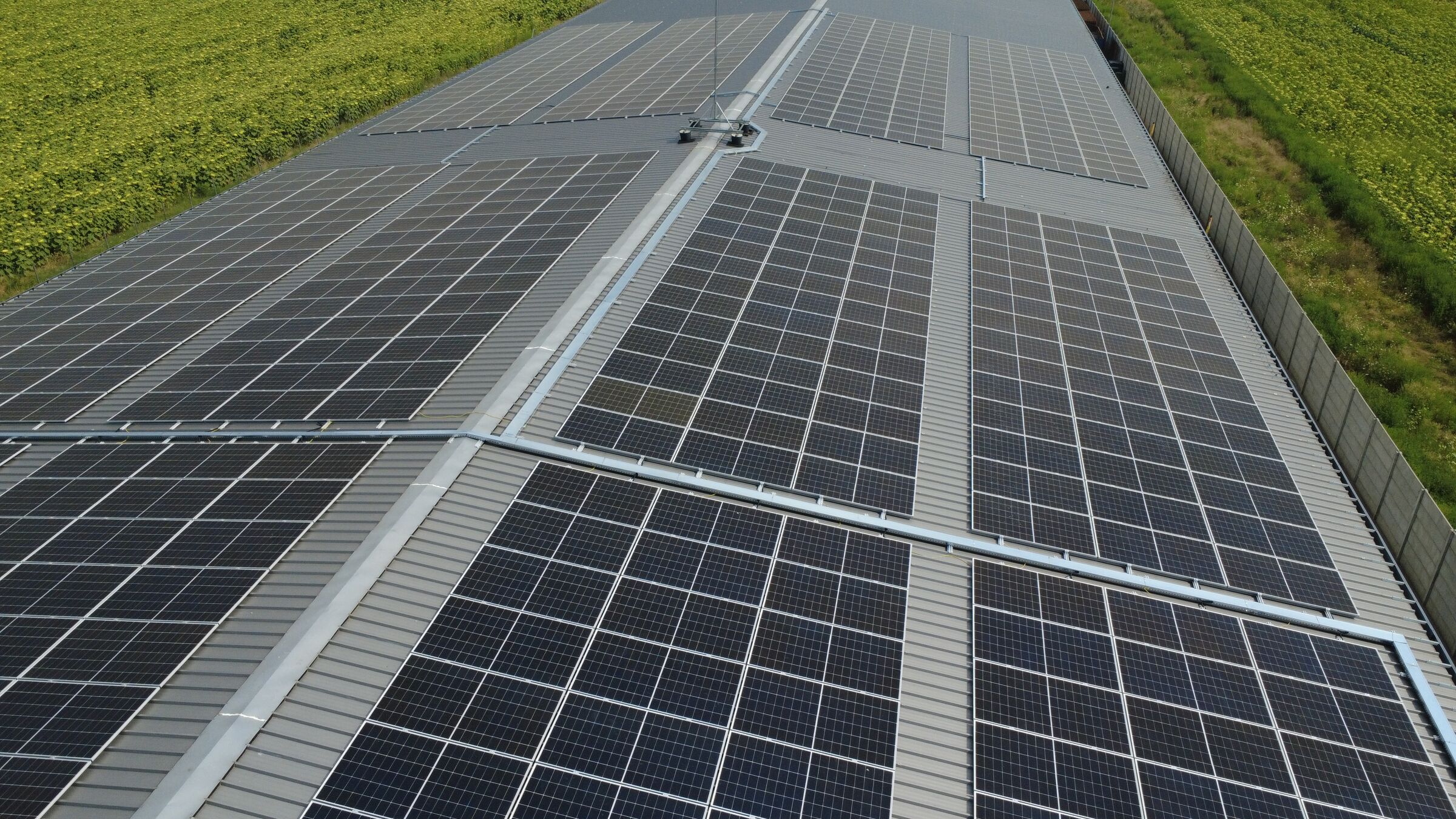
316 kWp photovoltaic system for a manufacturer of welded mesh and wire products for construction. Energy produced on the roof, right where industrial consumption is highest.
About the project
Stehos Acero is a Romanian company founded in 2010 and based in Chitila, Ilfov County. It works in steel products for construction and is known for welded mesh and wire products: STAS mesh, ECOPLAS mesh and welded panels made of profiled wire.
Steel processing means heavy machinery and high energy consumption throughout the day. For this kind of operation, the price of energy directly affects production costs. That is why producing part of the energy on site becomes a decision about stability, not just savings.
For Stehos Acero we designed and installed a 316.13 kWp photovoltaic system made of 626 Trina Solar 505 W panels and three Huawei inverters: two of 100 kW and one of 50 kW. The system was sized on the real consumption of the production hall, so that as much of the energy as possible is used directly in production.
Project Features
Photo Gallery
Other Projects
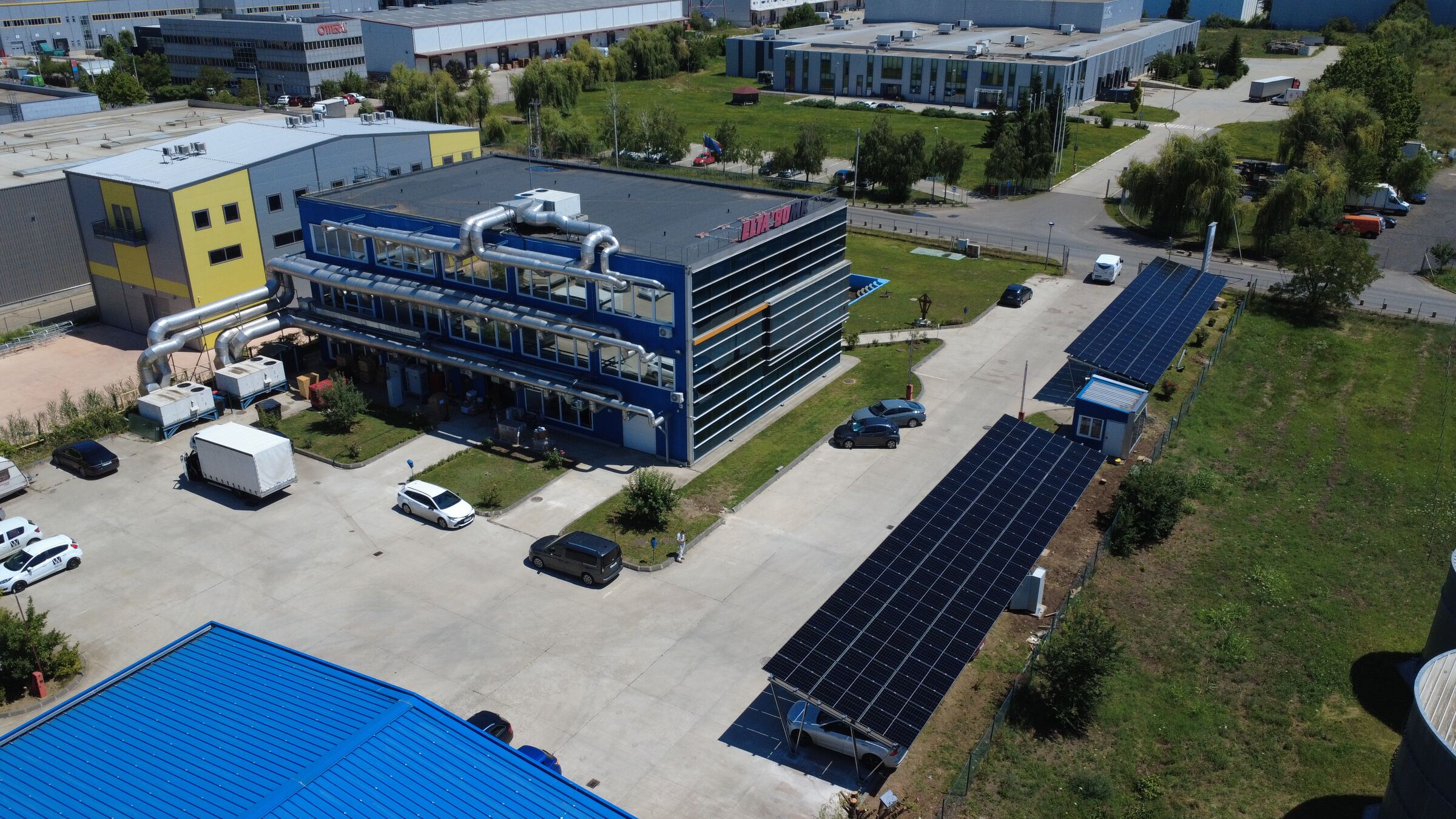
Elta 90 Medical Research Chiajna
77 kWp solar carport with 4 electric vehicle charging stations. The car park becomes an energy source for the company and its electric fleet.
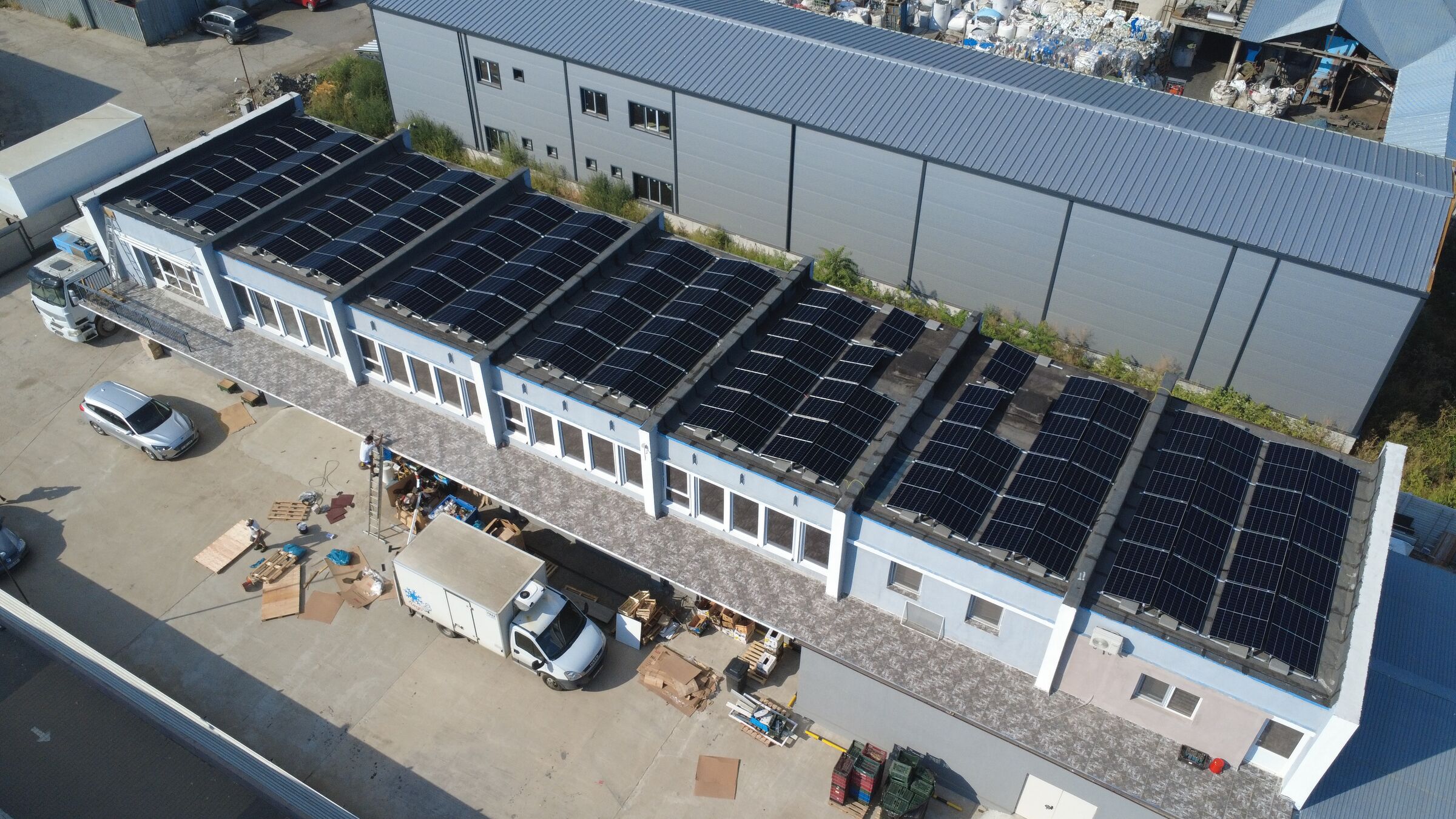
Fresh-Fruits Logistics
58 kWp photovoltaic system with 61 kWh of batteries for a fresh fruit and vegetable distributor. Energy for controlled-condition storage, even after sunset.
Campack
The production and distribution of packaging materials require stable and constant energy consumption, driven by industrial equipment, technological processes, and internal logistics. In a sector where raw material costs and competitive pressure are high, optimizing fixed expenses becomes a priority for protecting margins. The 101 kWp photovoltaic system implemented for Campack was sized to support this operational profile based on the facility's real consumption. Self-generated energy contributes to cost optimization and long-term financial stability, while also providing better protection against energy market volatility and stronger budget planning capability.